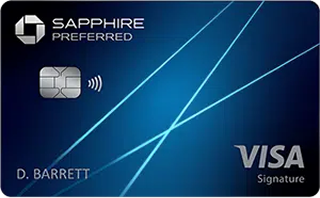
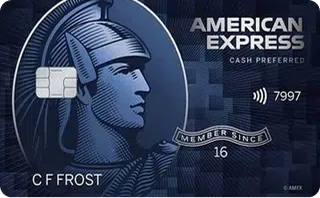
Reward rate1.5x
Annual fee$0,00
Credit score670-850 (Good to Excellent)
Regular APR18.24%-28.24%
Intro APR0% Intro APR for 15 billing cycles

Before applying for a card, define what you need to solve: pay less interest, earn rewards, build credit history, or protect major purchases. The best card for you depends on your credit score, your financial goals, and your spending habits.
Many of today's best cards offer cash back without charging an annual fee, making them attractive for everyday spending. Others add introductory APR offers on purchases, balance transfers, or both, ideal if you plan to finance short-term expenses. Some cards give the same reward rate on all purchases, while others pay more in bonus categories such as groceries, gas, or restaurants. Before choosing, compare costs (APR, fees), rewards programs, and additional benefits such as insurance, extended warranties, or travel protection.
Understanding the types of cards helps you choose the one that best fits your goals. The best card is usually the one that matches your current score and the way you actually spend your money.
These cards return a percentage of your purchases in the form of cash, which you can typically redeem as a statement credit, deposit, check, or gift card. When looking for the best cash back card, it is generally advisable to prioritize options with no annual fee and a solid return rate in the categories where you spend the most.
Travel cards accumulate flexible points, airline miles, or hotel points that you can use for flights, lodging, and other travel expenses. Many of the most valued programs are proprietary bank or airline point schemes that let you combine everyday spending with travel redemption.
Cards specialized in balance transfers offer 0% APR for a limited time on debt you transfer from other cards. Although they normally charge a transfer fee, they can help you save on interest and speed up debt repayment if you stop using credit for new purchases.
Some cards offer 0% APR on new purchases during a promotional period, and in some cases also on balance transfers. They usually combine that introductory rate with basic rewards and, often, no annual fee, making them useful for financing one-time expenses interest-free if you pay on time.
Secured cards require a cash deposit that serves as collateral and typically determines your credit limit. They are a useful tool for people with limited or damaged credit history, as long as the issuer reports punctually to the three major credit bureaus.
| Card type | Ideal for | Typical benefits | Key risks or drawbacks |
|---|---|---|---|
| Cash back | Daily purchases | Simple rewards, many with no annual fee | Category limits, rotating categories |
| Travel | Frequent travelers | Miles, points, VIP lounge access, insurance | High fees, complex redemption rules |
| Balance transfer | Paying off existing debt | Temporary 0% APR on transferred balances | Transfer fees, high APR after promo |
| Low interest / 0% on purchases | Financing short-term purchases | Initial 0% APR, basic rewards | Risk of accumulating large balances if misused |
| Secured / credit-building | Building or rebuilding credit history | Higher approval probability, bureau reporting | Mandatory deposit, few rewards |
The key elements depend on the type of card you are looking for, but most of the best offers share certain characteristics.
Decide whether you prefer cash, flexible points, or travel benefits, and calculate the first-year value by adding rewards and the welcome bonus and subtracting the annual fee. A valuable card is one where the actual rewards clearly exceed the cost of maintaining it.
Today there are many cards with no annual fee that offer good rewards and benefits. If you accept paying a fee, make sure you use at least most of its advantages (discounts, credits, insurance) to justify the cost.
Verify that the card reports punctually to the major bureaus, as this is essential for improving your score over time. If you are just starting out or rebuilding, a well-managed secured card can be a strategic step.
Benefits that make a difference include extended warranties, purchase protection, travel insurance, and digital tools such as virtual cards. These extras can save you money and add security, but they should not replace good credit management.
The ideal path is not the same for everyone, because your goals and credit situation are unique. Use these steps as a guide to compare options in an organized way.
The most competitive rewards cards usually require a high score, while those with fair credit have access to more basic products. Being clear about your range avoids unnecessary rejections and helps you focus on issuers where you actually have chances.
Decide whether your priority is earning rewards, saving on interest, or building credit history. From there, focus on cards whose design (bonuses, APR, deposit, etc.) directly addresses that main goal.
Compare the fee with the estimated value of the rewards and benefits you will actually use during the first year. If the sum of returns and advantages does not clearly exceed that amount, perhaps a no-fee option is better for you.
Analyze how points or cash accumulate and how they are redeemed: some issuers limit use to statement credits and others allow travel, deposits, or gift cards. Also check if there are quarterly limits or categories that change over time.
Make a short list of essential benefits, such as no foreign transaction fees, mobile phone insurance, or certain travel coverages. That list will help you avoid getting distracted by attractive but irrelevant extras for your daily life.
Once your priorities are clear, stick with a few cards that match your score, needs, and spending style. Apply one at a time, using pre-qualification tools when possible to minimize hard inquiries on your report.
When you find the right card, the application process is usually fast and entirely online.
Whenever possible, use pre-qualification tools to estimate your chances without generating additional hard inquiries. Once approved, set up automatic payments and alerts so you never miss a due date.
Using cards wisely can help you save, travel more, and strengthen your credit history, but it requires discipline.
Review how much you spend per month and in which main categories, such as groceries, gas, or restaurants. A common strategy is to combine a base cash back card for everything with another that offers bonuses in your strongest categories.
Avoid spending more than you can pay just because you have available credit. Keeping your utilization below approximately 30% and paying the full balance each month, if possible, generally supports a healthier score.
Initial spending bonuses can generate very high value in a short time if the spending requirement fits your budget. In some cases, these bonuses equal a percentage return far higher than regular rewards, as long as they don't force you to overspend.
If you are not sure you want a card, there are other ways to finance yourself or pay for your purchases.
Best card rankings always include some degree of opinion, but they can be supported by structured analysis. A solid approach combines reviewing offers across different categories with comparing rewards, fees, benefits, account security, service quality, and digital experience. It is also useful to consider surveys from users and specialists to learn what they value most in their cards. Forums and financial communities can also be reviewed to understand consumers' real perception of credit use and their preferences.
Disclaimer: ClearCreditPath offers free content about credit cards, loans, digital banking, and third-party financial services. We are not a lender, issuer, or financial institution, and we are not responsible for third-party products. The content is for informational purposes only and does not constitute financial advice; please consult with professionals. Approvals and terms (Examples: 12-84 months, APR 3-36%) depend on the issuer. Example: a $10,000 loan at 36 months with 3% APR costs $10,470. Availability, features, and terms vary by provider and region.

Receive financial tips, exclusive offers, and the latest credit card news directly in your inbox.